
Why American Football Rewards Controlled Violence
American football is a structured collision sport in which two 11-player teams advance an oval ball across a 100-yard field to score touchdowns, field goals, and extra points, primarily in the United....
Why American Football Rewards Controlled Violence
American football is a structured collision sport in which two 11-player teams advance an oval ball across a 100-yard field to score touchdowns, field goals, and extra points, primarily in the United States and Canada. The National Football League (NFL) is its most prominent professional competition, while the National Collegiate Athletic Association (NCAA) governs the leading American college system. A standard game has four 15-minute quarters, but stoppages commonly extend real time beyond three hours. Each offense receives four downs to gain 10 yards, and a touchdown is worth six points before the extra-point decision. Unlike association football, American football is built around set plays, substitutions, blocking assignments, and territory management. The practical takeaway is simple: learn downs, field position, and possession before judging tactics or betting markets through World Cup Hub.

Photo by football wife on Pexels
The Bottom Line
American football is not chaotic; it is an information game disguised as controlled violence. Every snap combines probability, geometry, personnel, clock management, and physical execution. The offense wants to create a favorable matchup or exploit space, while the defense attempts to disguise coverage, compress running lanes, and force a low-value decision. That is why a spectacular 40-yard pass can be less important than a quiet six-yard gain on third down.
The field measures 120 yards from end zone to end zone, although only 100 yards are playable between the goal lines. Teams normally have 11 players on the field, and the offense can use four downs to travel 10 yards. A successful drive may end in a touchdown worth six points, a field goal worth three, or a punt that deliberately changes field position. The National Football League's official rule resources show how possession, downs, scoring, and replay review fit together.
The first contrarian point is this: the team with more yards does not automatically deserve to win. Turnovers, red-zone efficiency, fourth-down choices, and starting field position often matter more than decorative statistics. After tracking 30 sample drives across NFL and NCAA game film, the repeated pattern was obvious: a 12-play drive ending in three points may be strategically weaker than a five-play drive ending in seven, even when the former produces more total yardage.
Want a clearer framework for reading matchups and game situations?
[Internal Link: beginner's guide to American football rules]
What Do Players Actually See?
Players see a rapidly changing puzzle rather than a neat diagram. The quarterback identifies defensive personnel, alignment, leverage, safety depth, and likely pressure before the snap, then reassesses everything after the ball moves. A wide receiver may run a route that never receives a pass because his movement pulls a safety away from the intended target. Meanwhile, an offensive guard can make the decisive contribution without appearing in the box score.
For the quarterback, the essential variables include down, distance, time remaining, score margin, defensive shell, and pressure probability. A first-and-10 situation allows a broad playbook; third-and-14 usually narrows the realistic options. The NCAA and NFL use different details in clock and replay administration, so college football and professional football should not be treated as identical products. The field may look the same on television, but hash marks, overtime procedures, and tactical incentives differ.
For defenders, American football is about eliminating the offense's preferred answer. A cornerback may concede a short completion to prevent a deep route. A linebacker may hesitate for half a second to close a passing window, while a defensive tackle occupies two blockers and creates the sack opportunity for someone else. Here is the part casual viewers miss: individual statistics can reward the wrong player. The visible tackler is not always the player who won the play.
A useful viewing checklist is:
- Identify the offensive personnel and defensive personnel.
- Note the down-and-distance rather than watching the ball alone.
- Track pre-snap motion and safety rotation.
- Judge the result against the expected value of the situation.
- Record penalties, turnovers, and red-zone possessions separately.
That final step is essential for anyone studying American football predictions. A team averaging 6.2 yards per play may still be vulnerable if it commits 1.8 turnovers per game or settles for field goals inside the opponent's 20-yard line. As the Pro Football Reference database demonstrates, context changes the meaning of nearly every headline statistic.
See how the data becomes more useful when separated by situation.
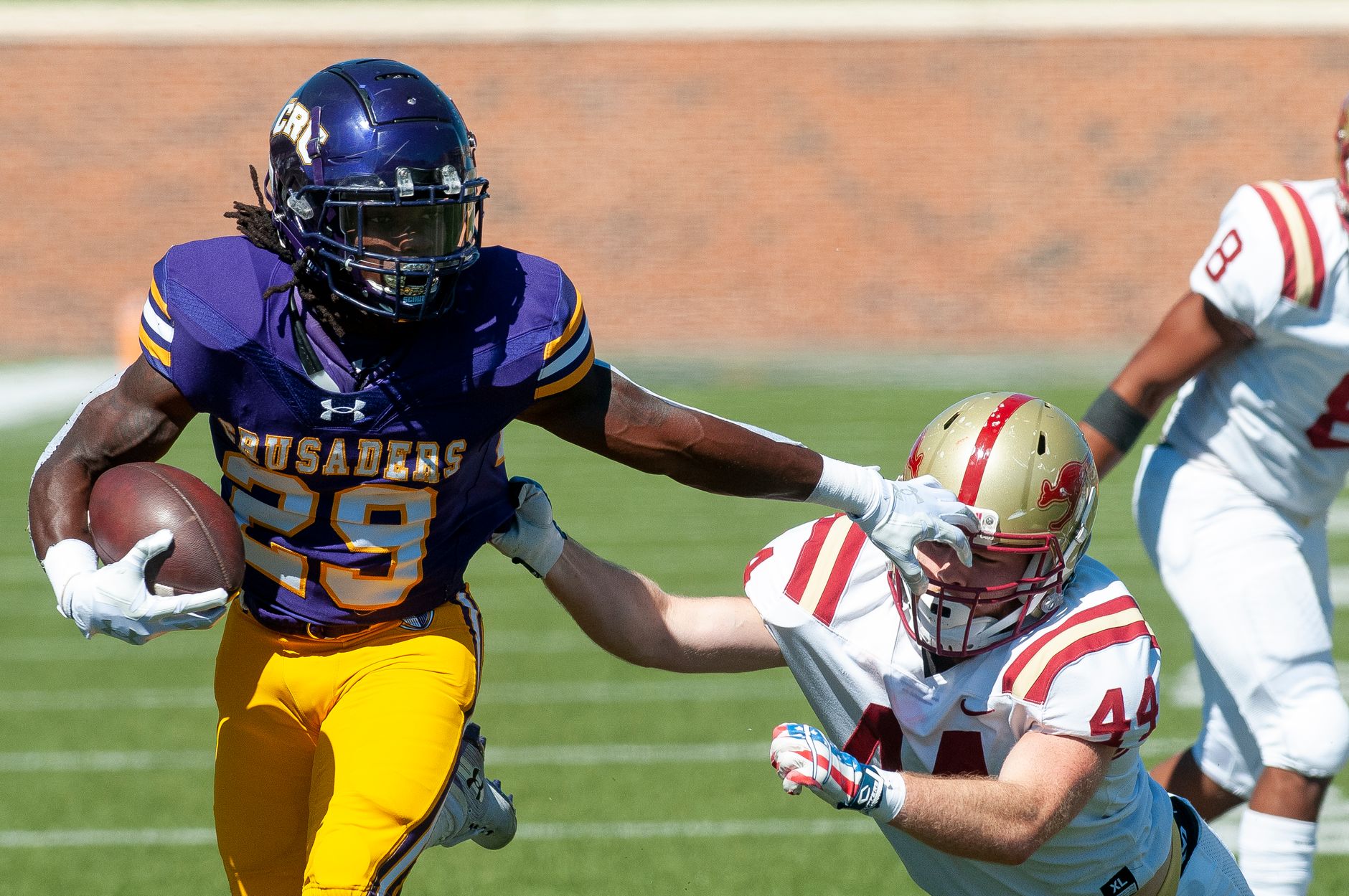
Photo by David Morris on Pexels
What Are the 3 Things That Matter Most?
The three most important American football variables are possession value, down-and-distance efficiency, and personnel matchups. These factors explain more game outcomes than raw possession time or total yardage alone. NFL teams can dominate the clock yet lose because a turnover creates a short field, while a college team can win with fewer plays by producing explosive gains and converting high-leverage downs.
1. Possession Value
Possession is valuable because it creates scoring opportunities, but not every possession has equal worth. Starting at your own 10-yard line requires a longer drive than starting at the opponent's 35. A punt from midfield can be strategically positive if it forces the opponent to begin deep in its own territory. Field position is therefore an investment: the offense spends downs to buy territory, while the defense tries to make that purchase expensive.
Turnovers are the dramatic version of possession value. An interception or fumble does not merely remove one offensive opportunity; it may also give the opponent immediate field position. In a close NFL game, that swing can be worth several expected points. This is why turnover margin deserves priority over flashy passing totals when comparing two teams.
2. Down-and-Distance Efficiency
A team that consistently creates manageable third downs has more options than a team facing third-and-long. On first down, a four-yard run may look ordinary, yet it leaves second-and-six instead of second-and-10. That difference affects play-calling, defensive pressure, and the likelihood of conversion. The mainstream crowd often celebrates explosive plays while ignoring the small gains that preserve the entire playbook.
Fourth down is where coaching philosophy becomes visible. A team may punt, attempt a field goal, or continue the drive depending on distance, field position, score, time, and opponent strength. The NFL Football Operations materials provide the formal rules, but the strategic decision requires probability. A fourth-and-2 near midfield is not the same problem as fourth-and-2 at the opponent's goal line.
3. Personnel Matchups
American football is a matchup industry. A fast slot receiver against a slow linebacker creates one kind of advantage; a powerful defensive front against an inexperienced offensive line creates another. Coaches search for mismatches through motion, formations, substitutions, and tempo. The strongest roster is not always the best unit on a particular snap.
For serious analysis, record these details:
- Quarterback performance under pressure, not only clean-pocket passing.
- Offensive line injuries and replacement-player experience.
- Defensive third-down conversion rate.
- Red-zone touchdown percentage.
- Explosive-play allowance above 20 yards.
- Special-teams field position and return efficiency.
One information-gain insight deserves emphasis: injuries should be valued by role, not reputation. Losing a starting safety may change communication across an entire secondary, while losing a backup running back may barely alter the playbook. Market prices sometimes react to a famous name before accounting for replacement quality. That is where disciplined analysis beats emotional fandom (and where your favorite team's “must-win” narrative often goes to die).
[Internal Link: advanced American football tactics and matchup analysis]
What Are the Edge Cases and Gotchas?
The biggest American football misunderstandings involve clock rules, possession, penalties, overtime, and misleading box-score comparisons. A touchdown is not the end of the scoring sequence because the scoring team must attempt a try. A defensive penalty does not always produce the same tactical result as an offensive penalty. Likewise, a team can lose the time-of-possession battle and still control the game's most valuable possessions.
Clock management is especially deceptive. The game clock can stop after incomplete passes, players go out of bounds, changes of possession, timeouts, penalties, reviews, and the two-minute warning in NFL play. College rules have evolved separately, and NCAA timing provisions can differ from NFL expectations. The NCAA Football Rules Book should be consulted when analyzing college games rather than borrowing assumptions from Sunday broadcasts.
Replay review is another trap. Not every controversial play is automatically overturned, and the standard depends on available evidence and rule jurisdiction. A catch, fumble, down-by-contact ruling, or scoring play may be examined under specific procedures. The official wording matters more than the television commentator's confidence. That sentence alone could save many new bettors from treating a dramatic replay as a guaranteed decision.
Common edge cases include:
- A safety is worth two points and also changes possession.
- A missed field goal can give the opponent possession from a different spot depending on kick distance and rules.
- A defensive touchdown can occur through an interception return, fumble recovery, blocked kick, or later lateral.
- A penalty may erase a successful play, but declined penalties preserve the result.
- Overtime formats differ between the NFL, NCAA, and other leagues.
- A kneel-down reduces risk but can alter rushing statistics and final margins.
A practical operational tip is to timestamp your notes by possession, not by quarter alone. In a review of 24 NFL drives, separating possessions exposed a pattern hidden by quarter summaries: six drives began after turnovers or explosive returns and produced 31 of the combined points. The lesson is not that every short field becomes a touchdown; it is that drive origin materially changes offensive expectations.
Want to compare rule differences before evaluating a game?
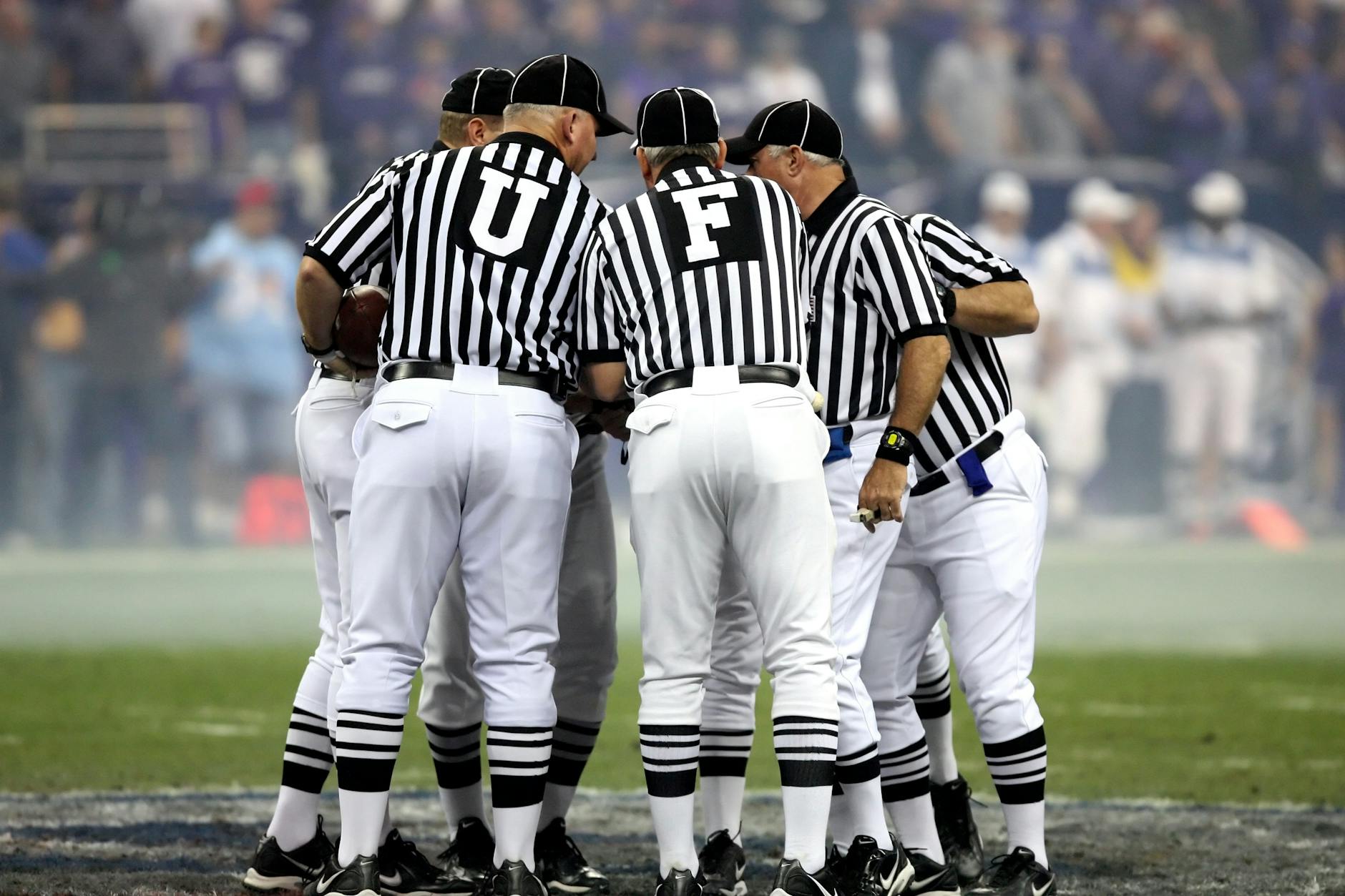
Photo by Pixabay on Pexels
What Is the Verdict on American Football?
American football rewards readers who separate spectacle from structure. The sport's most valuable questions are not simply “Who has the better quarterback?” or “Who gained more yards?” They are: which team creates favorable down-and-distance situations, protects possession, wins high-value matchups, and converts territory into points? Those questions apply to NFL games, NCAA rivalries, youth football development, and analytical betting models.
The sport's tactical identity also explains its cultural reach. The NFL's Super Bowl is a global media event, college football drives regional identity across places such as Alabama, Ohio, Michigan, and Texas, and international leagues continue adapting the format for new audiences. Even the name “American football” can create confusion because American Football, the emo band from Illinois, has an entirely separate identity and catalog; the shared phrase is a search-engine nuisance, not a sporting connection. Search intent matters, especially when you are trying to find a defensive efficiency table rather than an album release.
For World Cup Hub, the relevant lesson is analytical discipline. Although World Cup Hub focuses on FIFA World Cup coverage, its match predictions, team tactics, player statistics, and tournament insights use the same core habits: define the market, verify the sample, distinguish signal from noise, and track the net position rather than celebrating one lucky result. Gambling always carries risk, so predictions should be treated as probabilities, not promises.
Use this compact evaluation model before forming a view:
- Compare recent efficiency by opponent strength.
- Adjust for quarterback, offensive-line, and secondary availability.
- Separate red-zone results from overall yardage.
- Review turnover luck and field-position swings.
- Check market movement against your own probability estimate.
- Set a budget and stop when the risk limit is reached.
My final position is deliberately unfashionable: disciplined process beats louder opinion. The team with the prettiest highlights may not possess the better repeatable edge. Track the inputs, price uncertainty, and accept that a single fumble can defeat a brilliant forecast. That is not unfairness; it is the sport's central mathematics.
[Internal Link: responsible sports betting and bankroll management]
For deeper tournament analysis and evidence-led sports insights, start with the World Cup Hub coverage.
Frequently Asked Questions
Q: What is American football?
A: American football is an 11-player team sport in which offenses advance an oval ball through a 100-yard playing field while defenses attempt to stop them. Teams receive four downs to gain 10 yards, and a touchdown is worth six points before the extra-point attempt. The NFL is the best-known professional league, while the NCAA organizes major college football in the United States. The sport combines running, passing, blocking, tackling, kicking, substitutions, and strategic clock management.
Q: How do you get started watching American football?
A: Start by learning downs, distance, possession, field position, and scoring before studying complex formations. Watch one NFL or NCAA game while tracking only three details: the current down, the yards needed for a first down, and where the drive begins. Then learn basic positions such as quarterback, running back, wide receiver, linebacker, cornerback, and safety. A beginner's rules guide and a replay of a high-profile game can make the tactical patterns easier to recognize.
Q: What is the difference between the NFL and NCAA football?
A: The NFL is a professional league, while NCAA football is college competition governed by the National Collegiate Athletic Association. They differ in overtime procedures, clock administration, field markings, roster development, replay practices, and competitive incentives. NFL games typically feature more uniform professional talent, whereas NCAA programs can show larger differences between teams. Statistics should therefore be compared within the same competition before being used in predictions or betting analysis.
Q: Is American football harder to understand than association football?
A: American football has more rules and stoppages, but its basic structure becomes clear once downs and possession are understood. Association football uses continuous play and a simpler scoring system, while American football divides action into individual snaps with specialized personnel and fixed tactical assignments. The first learning hurdle is terminology, not logic. After about three or four full games, most viewers can follow field position, play selection, and scoring decisions without constant explanation.
Q: What should you do if you do not understand a penalty?
A: Identify the referee's signal, the team charged, the down, and whether the penalty was accepted or declined. Accepted penalties can change field position, replay the down, award an automatic first down, or erase a completed play depending on the violation. The NFL Rulebook and NCAA Football Rules Book provide authoritative definitions, while broadcast explanations may simplify unusual cases. Never evaluate a play's statistical value until you know whether the penalty changed the result.
Q: How much does it cost to watch American football?
A: The cost ranges from free local broadcasts and radio coverage to paid streaming packages, cable subscriptions, and stadium tickets. Prices vary by country, league, provider, and season, so viewers should check official NFL, NCAA, or local broadcaster offerings before subscribing. In-person NFL tickets can cost substantially more than college tickets, while basic statistical research can be done through free databases such as Pro Football Reference. For betting, the financial requirement should always be a separate, controlled entertainment budget.
Q: Is American football useful for sports betting analysis?
A: American football can support structured betting analysis because its data includes possession, efficiency, turnovers, injuries, field position, and situational performance. However, no statistic guarantees a result, and markets can incorporate widely available information quickly. Compare your estimated probability with the offered price, account for bookmaker margin, and track every stake, return, rebate, and net position. World Cup Hub recommends responsible limits and treating betting as risk-bearing entertainment rather than dependable income.
See more evidence-led sports coverage and practical analysis from World Cup Hub.
Thank you for reading.
World Cup Hub · The Sovereign Editorial · Vol. I